Photo via Adobe Stock
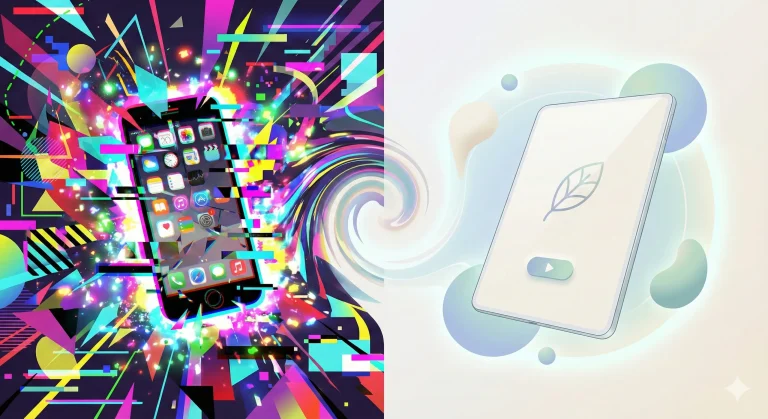
Most social media advice focuses on how to stand out. Bright visuals. Clever captions. Timely posts. What’s discussed far less often is the opposite force: friction. The small moments of uncertainty that make people hesitate, scroll past, or disengage without thinking twice.
Consistency works on social media not because it’s impressive, but because it’s efficient. When a brand shows up in a familiar way, audiences don’t have to work to understand what they’re seeing. That ease is what keeps attention from resetting every time a post appears.
The Short Take
Consistent brands perform better on social media because they reduce decision-making for the audience. Familiar visuals, tone, and structure allow people to recognize content instantly, making engagement more likely over time.
How Friction Shows Up in Social Feeds
Social feeds move quickly. People aren’t stopping to analyze who’s posting or what a brand stands for. They’re reacting in seconds. Any moment of confusion — a tone that feels off, a visual style that suddenly changes, a caption that doesn’t match expectations — adds friction.
That friction doesn’t cause dramatic drop-offs. It causes quiet disengagement. The post isn’t bad. It’s just harder to process than the one before it. Over time, that extra effort adds up.
Familiarity Is a Shortcut, Not a Gimmick
When a brand is consistent, recognition happens before conscious thought. The audience doesn’t need to read closely or inspect the image. They already know what they’re looking at.
This is why familiar brands feel easier to follow. Not because they’re predictable, but because they’ve trained their audience to recognize patterns. The brain takes a shortcut, and that shortcut creates comfort. Comfort keeps people around.
Why Inconsistency Resets Attention Every Time
Inconsistent branding forces the audience to start over with each post. A new visual style asks for reorientation. A different tone creates uncertainty. A sudden shift in pacing breaks expectation.
None of these changes are inherently wrong. The problem is that they interrupt continuity. When continuity breaks, attention resets. The post has to earn interest from zero instead of building on what came before.
What Consistent Brands Do Differently
Brands that feel cohesive don’t repeat messages endlessly. They repeat signals.
- Visual elements feel related, even when designs vary
- Tone stays stable, even when topics change
- Posting cadence feels intentional instead of reactive
These signals tell the audience, “You’ve seen this before.” That reassurance lowers friction and increases engagement naturally.
Tools That Support Low-Friction Social Media
Reducing friction internally makes it easier to show up consistently externally. These tools help teams keep social media organized, aligned, and repeatable without duplicating publishing or scheduling functions.
- ClickUp – Centralizes tasks, timelines, and priorities so social media stays connected to real work instead of getting pushed aside.
- Miro – Helps teams map content themes, visual direction, and campaign ideas in a way that can be revisited and reused.
- Google Drive – Acts as a shared library for approved visuals, copy references, and brand assets that need to stay consistent.
- Loom – Makes it easy to document brand decisions, visual guidance, or content intent without long written explanations.
These tools don’t publish content themselves, but they remove the friction that causes inconsistency long before anything gets posted.
Where Adobe Express Helps Reduce Creative Friction
Consistency often breaks at the moment of creation. Adobe Express helps reduce friction by making repeatable formats easier to use, even when time is limited.
| Friction Point | How Adobe Express Is Used | Why It Helps |
| Designing under time pressure | Creating reusable social media post layouts | Reduces design decisions while keeping visuals aligned |
| Inconsistent posting schedules | Scheduling content ahead of time | Maintains rhythm without last-minute scrambling |
| Short-form content feeling disconnected | Designing Instagram Stories that match feed visuals | Keeps temporary content part of the same visual system |
| Linking to external content | Building simple branded pages for shared links | Ensures off-platform experiences still feel familiar |
Instead of asking teams to “be consistent,” structure does the work.
A Simple Friction Check Before Posting
Before publishing, ask:
- Would someone immediately recognize this as ours?
- Does this feel consistent with the last few posts?
- Does anything here require extra explanation?
If the answer is no, the post is doing its job.
FAQ: Consistency and Social Media Friction
Is consistency more important than originality?
Consistency doesn’t replace originality. It creates the conditions for originality to be noticed and remembered.
Can brands change styles without losing familiarity?
Yes, as long as changes are gradual and intentional. Abrupt shifts create friction; evolution doesn’t.
Does this apply to small or newer brands?
Especially. Familiarity isn’t about scale — it’s about repetition.
What’s the biggest hidden cost of inconsistency?
Audience effort. When people have to work harder to recognize a brand, they engage less often.
Consistency isn’t about control or repetition. It’s about removing obstacles. When social media content feels familiar, audiences don’t have to think before engaging. That ease compounds over time, turning scattered posts into a brand people recognize without effort.
To learn more about Marker Groupe’s development services, visit MarkerGroupe.com or reach out to us via hello@markergroupe.com.