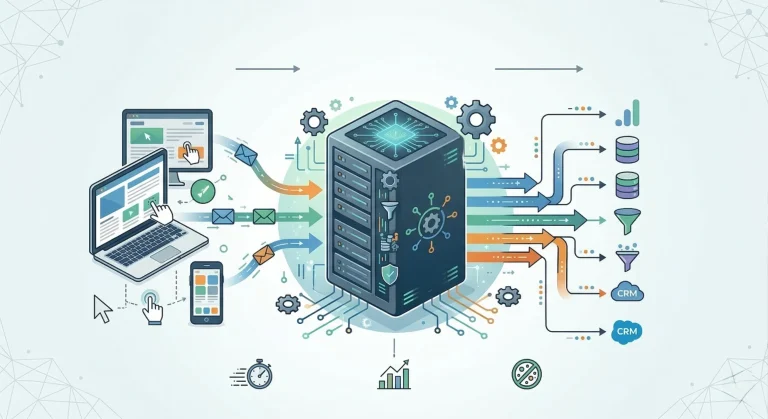
Google is making a significant shift in advertising technologies by restructuring its Display & Video 360 (DV360) platform with Gemini-powered artificial intelligence. This move not only optimizes media planning and buying processes but also transforms them into a directly automated structure.
Media Planning Is No Longer a Manual Process
With the new structure, when advertisers upload their media plans into the system, these plans can automatically be converted into campaigns. In other words, planning, setup, and optimization are no longer separate processes but are combined into a single workflow.
Previously, Gemini played a supporting role in areas such as audience discovery and reporting. In this new phase, however, it is positioned at the center of the process.
Real-Time Media Management
One of the most critical contributions of AI emerges especially on the Connected TV side. The system can:
- Instantly manage fluctuations in live broadcast inventory
- Optimize ad delivery in real time
This provides a significant advantage, especially in environments with high real-time variability such as live sports content.
A New Approach to Measurement
Google is not only transforming planning but also reshaping measurement. With the newly developed Confidential Publisher Match model:
- Advertisers’ first-party data
- Publishers’ signals (e.g., CTV platforms)
can be matched in a privacy-focused way. In this way, conversions across different devices can be tracked, and the impact of an advertisement on purchasing can be measured more clearly.
Advertising Performance with Retail Data
The new structure is not limited to media data alone. Google is also incorporating retail data into the process.
For example, through a partnership, retailer customer data is integrated with YouTube and other Google inventories. This allows brands to analyze:
- The impact of ads on sales
- Performance at the product (SKU) level
in much greater detail.
Enhancing the Power of Existing Formats
One of the notable points in the new era is the more effective use of existing inventory rather than introducing new ad formats.
Formats such as “pause ads” and “creator takeover” on YouTube are now available for purchase through DV360. This strengthens cross-platform integration.
What It Means
This transformation clearly highlights three fundamental changes in advertising technologies:
- Media planning is being handed over to automation
- Measurement is becoming holistic across devices
- Data integration is deepening performance analysis
Google’s approach aims to move advertising beyond individual campaigns into an end-to-end managed system.
The positioning of Gemini, DV360, and YouTube together is shifting Google’s advertising ecosystem toward a more closed but more integrated structure.
Within this structure, competition will no longer be shaped solely by visibility, but by data, automation, and measurement capabilities.
To learn more about Marker Groupe’s development services, visit MarkerGroupe.com or reach out to us via hello@markergroupe.com.