Apple’s growth on the advertising side and the strength of its ecosystem are no longer a surprise to anyone. This structure, in which hardware, software, and services are managed from a single center, has proven—together with App Store ads—how controlled and effective a space it can offer to brands.
The introduction of ads to Apple Maps is a natural extension of this expansion. However, the maps side has a more sensitive dynamic, even within the Apple ecosystem. Because here, the issue is not only technology or reach, but the user’s established behavior.
Is Being the Default Enough?
Apple Maps comes as the default on iPhones. This is a significant advantage. However, from a marketing perspective, the critical question is this:
When a real need for maps arises, does the user consciously choose Apple Maps?
Looking specifically at Turkey, the answer to this question is still not clear. Map usage is no longer limited to navigation alone. Users use maps as an active discovery tool for needs such as:
Checking a restaurant’s menu before going,
Reviewing photos and making a decision,
Finding the nearest tire shop, pharmacy, or small local business.
The center of this reflex has long been Google Maps.
This habit, formed over years, does not easily change simply by “being installed on the device.” The Yandex example clearly demonstrated this. Local investment, aggressive growth, and visibility alone were not enough to create lasting behavior.
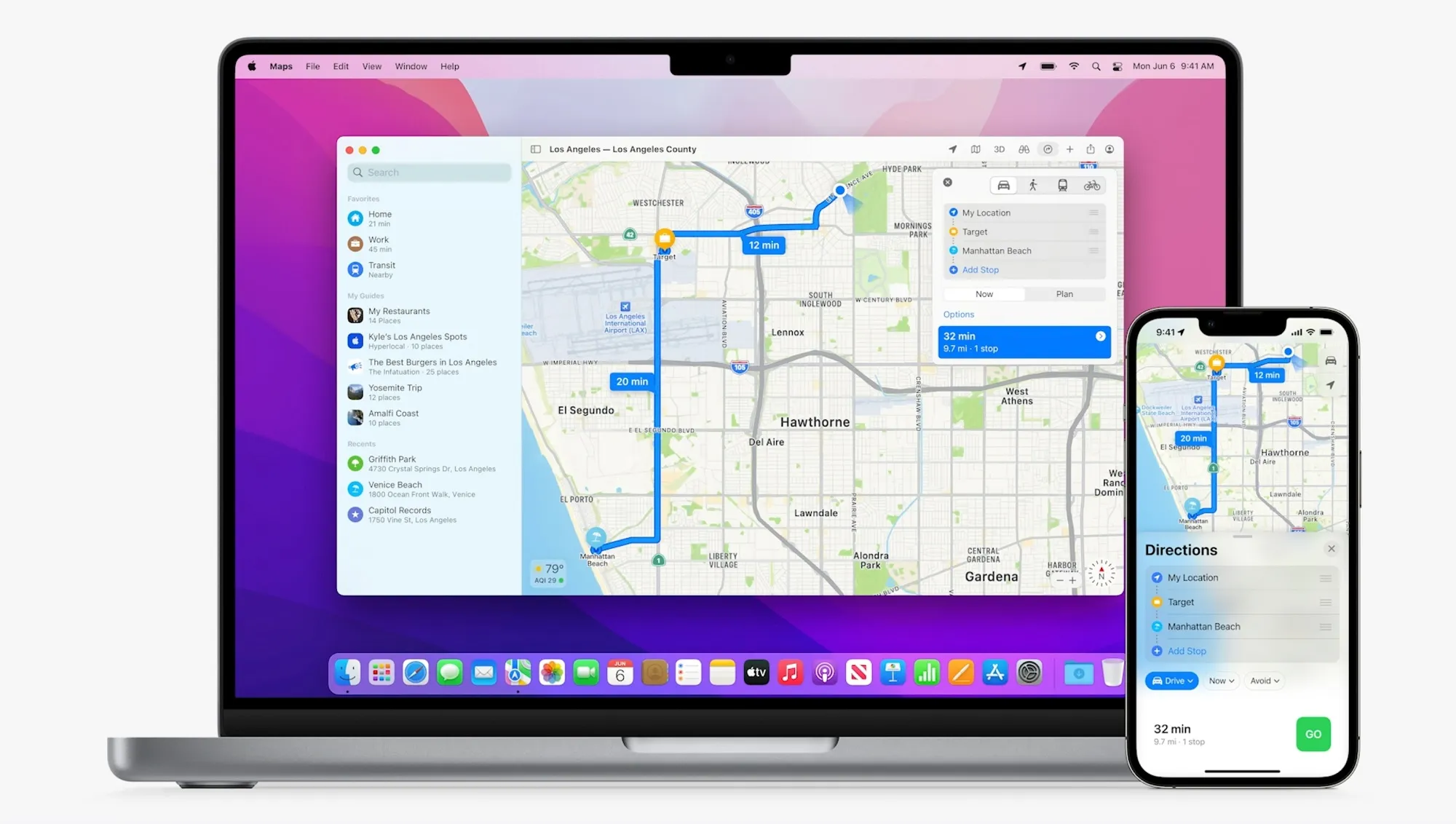
Apple Maps Ads: A Big Opportunity, a Real Test
For this reason, Apple Maps ads should be read in two ways. On one hand, there is a strong opportunity. With its powerful ecosystem, high device penetration, and premium user profile, Apple offers an attractive environment for brands.
On the other hand, this channel represents a serious testing ground for brands.
Because the core issue comes down to this question:
Is the user actually searching on Apple Maps, or simply passing through it?
The fact that the planned advertising model is shaped around search-based and sponsored results makes this question even more critical. If active search behavior is limited, visibility alone will not be sufficient.
How Should the Balance Be Set in the Turkish Market?
Expecting Apple Maps ads to replace Google Maps in Turkey in the short term is not realistic. However, this does not mean it is a channel that should be ignored.
The right approach is not to position this channel as a primary medium, but to treat it as a controlled complementary channel. For brands that adopt early, there is a significant learning advantage here.
Final Word
Apple Maps ads are coming. Behind them is a powerful brand, strong technology, and serious potential. But marketing is won not by potential, but by habit. In Turkey, that habit has not yet been clearly established. For this reason, Apple Maps ads are a promise today.
Tomorrow, they can turn into a real advantage for brands that read the landscape correctly and test in the right way. The core question remains the same:
Is the user really there, or just passing through?
To learn more about Marker Groupe’s development services, visit MarkerGroupe.com or reach out to us via hello@markergroupe.com.