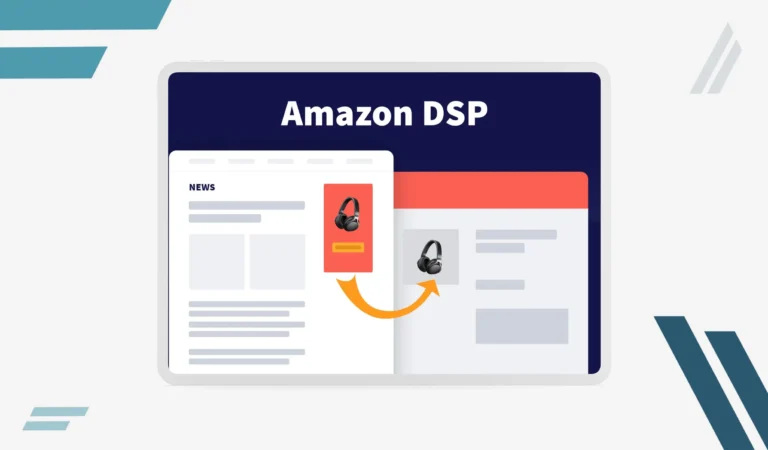
Television viewing habits have changed significantly in recent years. Viewers now access content not merely through traditional linear broadcasts, but also via internet-connected devices. This transformation brings along new opportunities in the advertising world. At this juncture, one of the most prominent concepts that stands out is Connected TV (CTV).
What is CTV?
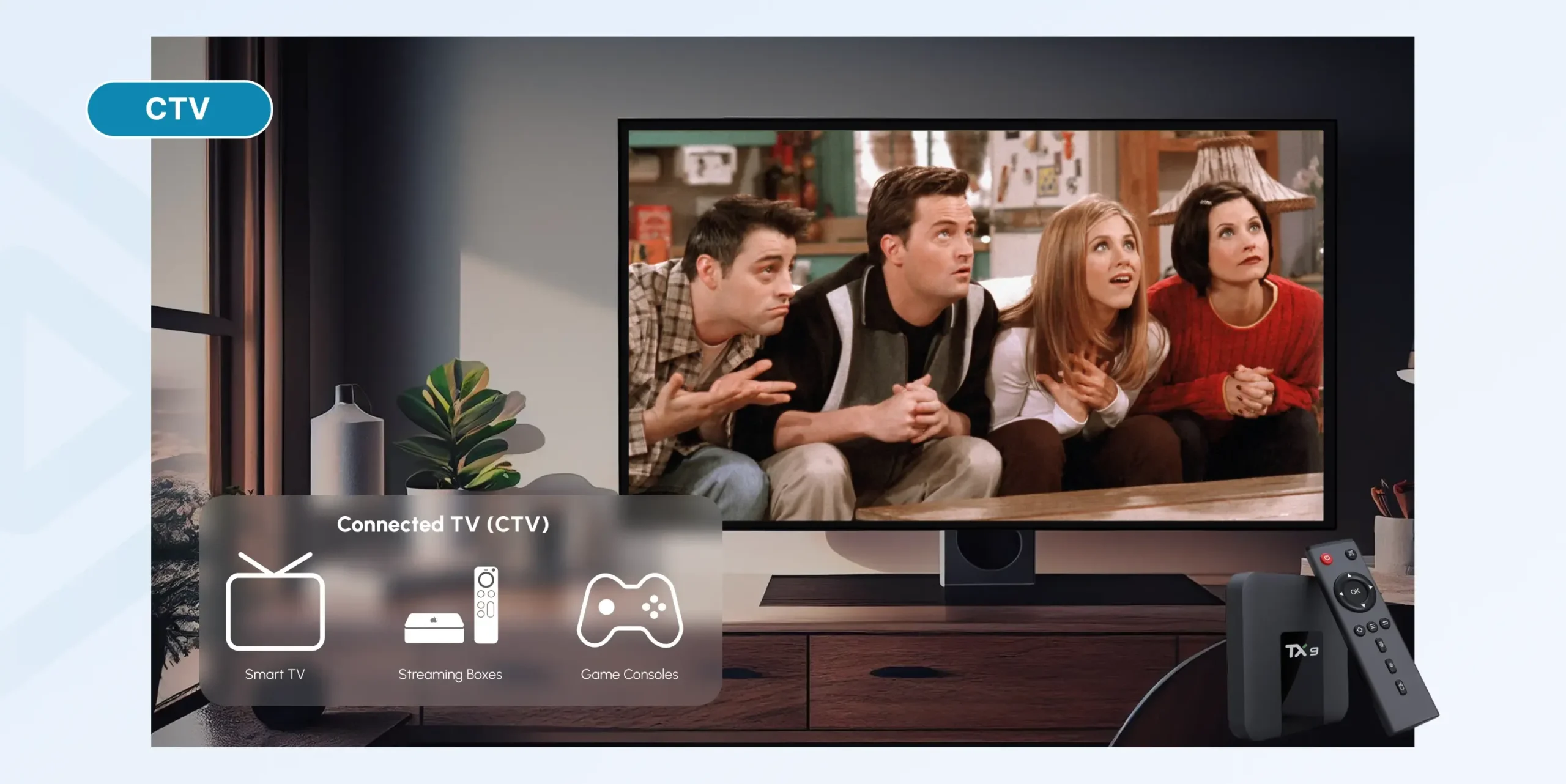
The most fundamental answer to the frequently asked question, “What is CTV?”, is: televisions with an internet connection and the digital streaming platforms accessed through these devices.
Content watched via smart TVs, streaming devices, and OTT platforms are all part of the Connected TV ecosystem. Thanks to this structure, advertisers can create more measurable and targetable campaigns that go beyond traditional TV advertising.
Advantages of Connected TV Advertising
Connected TV advertising combines the high visibility of the television screen with the data-driven nature of digital advertising.
Through this, brands can:
- Reach more specific target audiences,
- Measure campaign performance,
- Analyze viewability and reach data,
- Work in integration with digital media strategies.
Particularly in brand awareness and video ad campaigns, CTV is increasingly becoming a crucial channel.
The Era of Advanced TV
This transformation in television advertising is generally evaluated under the broader umbrella of Advanced TV.
Advanced TV refers to a wider framework that encompasses Connected TV, Addressable TV, and data-driven television advertising models. This approach enables ad buying processes to be managed in a more flexible, measurable, and targeted manner.
The Difference Between Addressable TV and Connected TV
One of the most frequently confused topics in the industry is the distinction between Addressable TV and Connected TV.
Connected TV refers to content consumption over internet-connected devices and the advertisements displayed within these environments. Addressable TV, on the other hand, is an advertising technology that allows different ads to be shown to different households during the exact same broadcast stream.
In Summary:
- Connected TV refers to the environment where the ad is broadcasted.
- Addressable TV refers to the method of personalization and targeting of the ad.
Therefore, these two concepts are not alternatives to one another; rather, they are considered complementary solutions in many scenarios.
Data-Driven TV Advertising
While traditional television advertising offers broad reach, it has limited capabilities when it comes to targeting.
Thanks to Connected TV and Addressable TV solutions, brands can now reach not only mass audiences but also viewers with specific interests and behaviors. This helps in utilizing advertising investments more efficiently and analyzing campaign performance in much greater detail.
To get detailed information on reaching your target audience more efficiently with Connected TV and Addressable TV solutions, you can explore Marker Groupe‘s programmatic advertising services.
As television advertising continues to digitize, Connected TV and Advanced TV solutions offer brands next-generation reach opportunities. Thanks to the advantages of measurability, targeting capabilities, and data-driven optimization, CTV is becoming a vital component of media strategies.
For brands, the question is no longer whether or not to do television advertising, but rather how they can utilize television screens more efficiently with their digital advertising strategies.
To learn more about Marker Groupe’s development services, visit MarkerGroupe.com or reach out to us via hello@markergroupe.com.