The 2026 FIFA World Cup will not only be a sporting event; it will be one of the rare moments when the global attention economy reaches its peak. This major tournament, hosted by the United States, Canada, and Mexico, will offer brands a unique communication opportunity with 48 teams, hundreds of matches, and billions of viewers.
However, being visible at an event of this scale is no longer possible solely through sponsorship. What truly makes the difference is integrated advertising strategies built with the right channel, the right technology, and the right timing.
As Marker Groupe, specifically for the 2026 FIFA World Cup, we offer brands measurable and highly engaging communication models focused on CTV (Connected TV), performance marketing, and digital out-of-home (DOOH).
From Screens to the Streets: The Role of Out-of-Home During the World Cup
Major tournaments in recent years have revealed a clear truth: Out-of-home advertising is no longer a supporting channel; it is the carrier of cultural moments.
City centers, digital screens, and fan zones have turned into temporary yet highly impactful stages for brands. At the center of this transformation were not static messages, but real-time, context-aware content.
At the 2026 World Cup, this structure will be taken even further.
Thanks to programmatic DOOH, brands will be able to change their messages instantly based on:
Match scores,
Time of day,
The city they are in,
Even weather conditions.
This takes out-of-home beyond being merely a visibility space.
It transforms the city into an extension of the tournament.
Marker Groupe’s DOOH approach is positioned exactly at this point:
Campaigns that keep pace with the rhythm of sport and are synchronized with the city.
Not the Sponsors, but Those Who Play It Right Win
FIFA’s official sponsors, of course, have significant advantages. However, the marketing reality of 2026 is this:
The tournament economy is not a game played only by sponsors.
Over the past year, it is no coincidence that brands such as Home Depot, Bank of America, and Coca-Cola have started their World Cup communications long before the official calendar. The critical insight here is this: Brands that start early do not buy ownership perception; they build it.
For non-sponsoring brands, the field is still wide open:
Real-time content production
Cultural collaborations
Location-based experiences
Out-of-home + digital synchronization
When structured correctly, it is possible to create a strong association even without an official logo.
The World Cup Audience Is Not a Single Mass
The audience of the 2026 World Cup is not homogeneous.
The same match is watched at the same time with completely different motivations.
Key Segments
Hardcore football fans
A highly loyal audience that follows leagues throughout the year and understands tactics. They represent high value for premium content, travel, betting, and sports products.
Social viewers
They watch the moment, not the match. Friend gatherings, bars, and social media interaction are decisive for this group. The primary target for fast-moving consumer brands and entertainment categories.
Gen Z and young millennials
An audience profile that moves across platforms, engages with short-form content, and connects to culture rather than brands. Corporate language does not work here. Creativity does.
Hispanic and Latin American viewers
The backbone of the World Cup in the U.S. market.
Bilingual households, a high tendency to travel, and strong emotional ties.
DOOH, CTV, audio advertising, and cultural alignment are decisive for this audience.
Successful campaigns differentiate between these segments.
Unsuccessful ones speak to all of them at the same time.
CTV: The Real Prime Time of the World Cup
In 2026, where matches are watched will be more critical than how many people watch them.
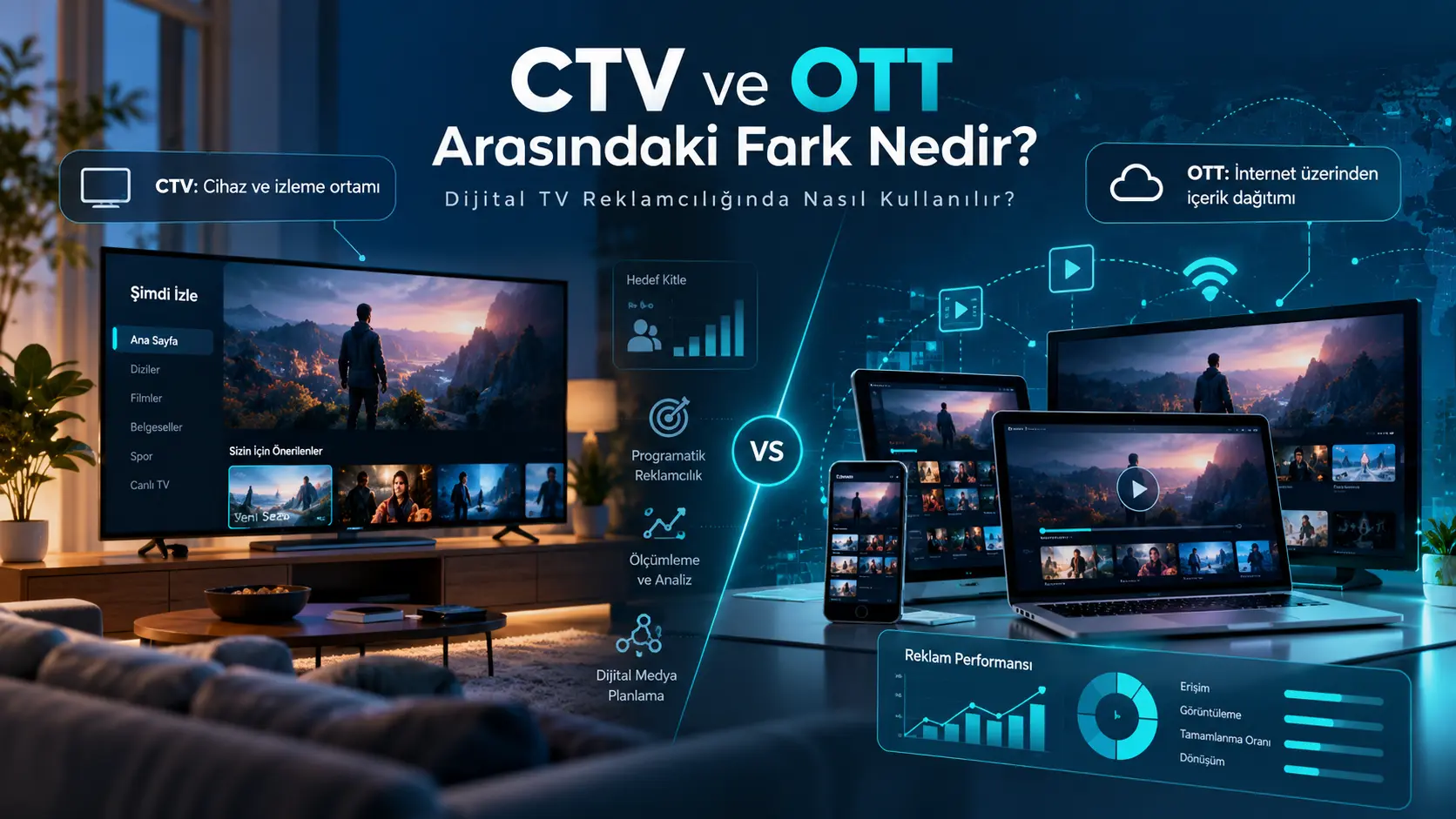
Connected TV has become the main screen, especially among younger and mobile-first audiences. As cord-cutting accelerates, CTV offers brands the following advantages:
Household- and device-level targeting
Interest- and team-based segmentation
Frequency control
Measurable impact
At Marker Groupe, we approach CTV not merely as video inventory, but as a data-fueled brand environment. When the impact of TV is combined with the control of digital, campaigns that are remembered emerge.
Performance Marketing: How Does Excitement Turn Into Purchase?
The most common mistake in major tournaments is pushing performance marketing into the background.
Yet the World Cup is one of the periods when purchase intent forms the fastest.
Marker Groupe’s performance approach during this period is built on three core pillars:
Event-based campaigns: Match days, score moments, agenda triggers
Instantly optimized creative sets: As emotions change, the message changes too
Remarketing scenarios: Custom flows for users who watched, engaged, added to cart, but did not purchase
The objective is clear:
– Capture the emotion.
– Connect it to data.
– Convert it into results.
Integrated Perspective: Those Who Rely on a Single Channel Will Lose
At the 2026 FIFA World Cup, the winning brands will be those that:
Enter the home with CTV
Meet audiences on the street with DOOH
Call them to action with performance marketing
At Marker Groupe, we design these areas not separately, but as parts of a single strategic system. With real-time data triggers, personalized creatives, and end-to-end measurement, we offer brands not just visibility, but controllable impact.
The World Cup Ends, the Impact Remains
The tournament lasts a few weeks.
A properly designed marketing strategy works for years.
At Marker Groupe, we don’t just prepare brands for this big game.
We position them within the game, with the right moves.
To learn more about Marker Groupe’s development services, visit MarkerGroupe.com or reach out to us via hello@markergroupe.com.